Pharma
- What applies
- EU GMP Guide (EudraLex Volume 4) is the benchmark, Annex 11 for computerised systems; US market: 21 CFR Parts 211 and 11.
We prepare sites, QA teams and documentation for GMP and FDA inspections and notified body audits: gap analysis, mock inspection, coaching and back-room support. Running Inspection Readiness as a permanent state rather than a project shortly before the date also survives an unannounced inspection.
Overview
Mock inspections and back-room support by experienced former auditors · EU GMP Guide incl. Annex 11, FDA 21 CFR Part 211, MDR (EU 2017/745)
Last updated: October 9, 2026
GMP inspections by national authorities and FDA, and notified body audits, are critical events: findings can range from written observations to a production halt, recall or withdrawal of the manufacturing authorization.
Industries
Services
Systematic assessment of inspection preparedness across documentation, CAPA status, data integrity, training level and facilities. The result is a prioritized action plan with a timeline up to the inspection.
Preparing QA management, production staff and management for inspection situations: practicing typical auditor questions, facility walkthroughs and document presentation under time pressure, with a concrete code of conduct for the inspection day.
Back-room support by experienced consultants during the live inspection: rapid document retrieval, real-time advice and coordination between front room, back room and the authority. The result is orderly inspection management instead of improvisation.
How we work together
Inspection readiness is a state, and it cannot be produced shortly before the date. Readiness is built up in sequence. First, the GMP documentation under the EU GMP Guide and FDA 21 CFR Part 211 must be complete and current, because without reliable records there is nothing to present.
Data integrity under Annex 11 and 21 CFR Part 11 builds on top of this, because inspectors review not only the result but its traceability.
Only once both are in place does it pay off to train the teams for the inspection situation, because a staff member can only confidently present what actually exists. Starting with coaching before the documentation holds up trains people to show off gaps.
This is precisely why the gap analysis comes first: it reveals which element is the bottleneck before effort flows into the mock inspection and coaching. Open CAPAs from previous audits are the first touchstone here.
Within the EU, inspections are carried out by the competent authority of the member state, including those requested by EMA, and unannounced if necessary (Article 111(1) and (1c) of Directive 2001/83/EC). In Germany that is the state supervisory authority, which inspects holders of a manufacturing or import authorization as a rule every two years (Section 64(3a) of the German Medicines Act, AMG). The date of the last inspection is therefore a reference point for planning, not a commitment.
Readiness also covers what follows the closing meeting. In the EU, the inspected site first receives the draft report and may comment before it is adopted (Article 111(3) of Directive 2001/83/EC). If non-compliance with GMP stands after that, it is entered in EudraGMDP, the Union's public database; a positive outcome brings the GMP certificate within 90 days (Article 111(5) to (7)).
FDA hands over its observations at the end of the inspection on Form FDA 483. According to its 2009 notice (74 FR 40211), FDA intends to review responses received within 15 business days in detail before deciding whether to issue a Warning Letter. Three weeks for root cause analysis and an action plan are only enough if author, approval route and method are settled before the inspection.
The difference between an inspection passed with composure and a frantic one rarely lies on the day itself, but in whether the system was already inspection-ready every day beforehand.
Our approach
Step
Result
Readiness Assessment & Gap Analysis
Prioritized action plan: where documentation, data integrity and CAPA status stand against GMP, and what is critical before the inspection.
Gap Closure & Data Integrity
Updated QMS documentation, closed legacy CAPAs and demonstrable data integrity under Annex 11 and 21 CFR Part 11.
Mock Inspection
Findings report from a simulated inspection by experienced auditors, with CAPA recommendations ahead of the real date.
Staff Coaching
Trained teams that handle auditor questions, facility walkthroughs and document presentation under time pressure.
Inspection Support
Front-room and back-room structure in operation, orderly document retrieval and real-time advice during the inspection.
Finding Resolution
Timely CAPA plan with root cause analysis and effectiveness check as the regulatory response.
Common pitfalls
Inspection readiness is treated as a one-off project shortly before an announced date.
An unannounced FDA or regulatory inspection then hits a system that was only tidied up for the planned cut-off date. Lasting inspection readiness comes only from a quality system that holds up every day.
Open CAPAs from previous audits are left unresolved until just before the inspection.
A plan that is still open or ineffective at that point regularly triggers follow-on findings.
Data integrity is underestimated.
Authorities review the completeness and traceability of electronic records under Annex 11 of the EU GMP Guide and FDA 21 CFR Part 11; missing audit trails or uncontrolled Excel spreadsheets are a frequent finding.
Staff are not prepared for the inspection situation.
Hesitant or contradictory answers to auditor questions and slow document retrieval generate findings even though the underlying system is compliant. The inspection also assesses how confidently the team performs.
There is no separate front-room and back-room organization.
Without clear roles, document coordination and a calm back room for research, the live inspection produces panic, off-the-cuff commitments and avoidable statements to the authority.
Quality Management & Compliance
In a first call we assess your situation and say what needs clarifying first in your case. Without obligation, reply usually within one working day.
FAQ
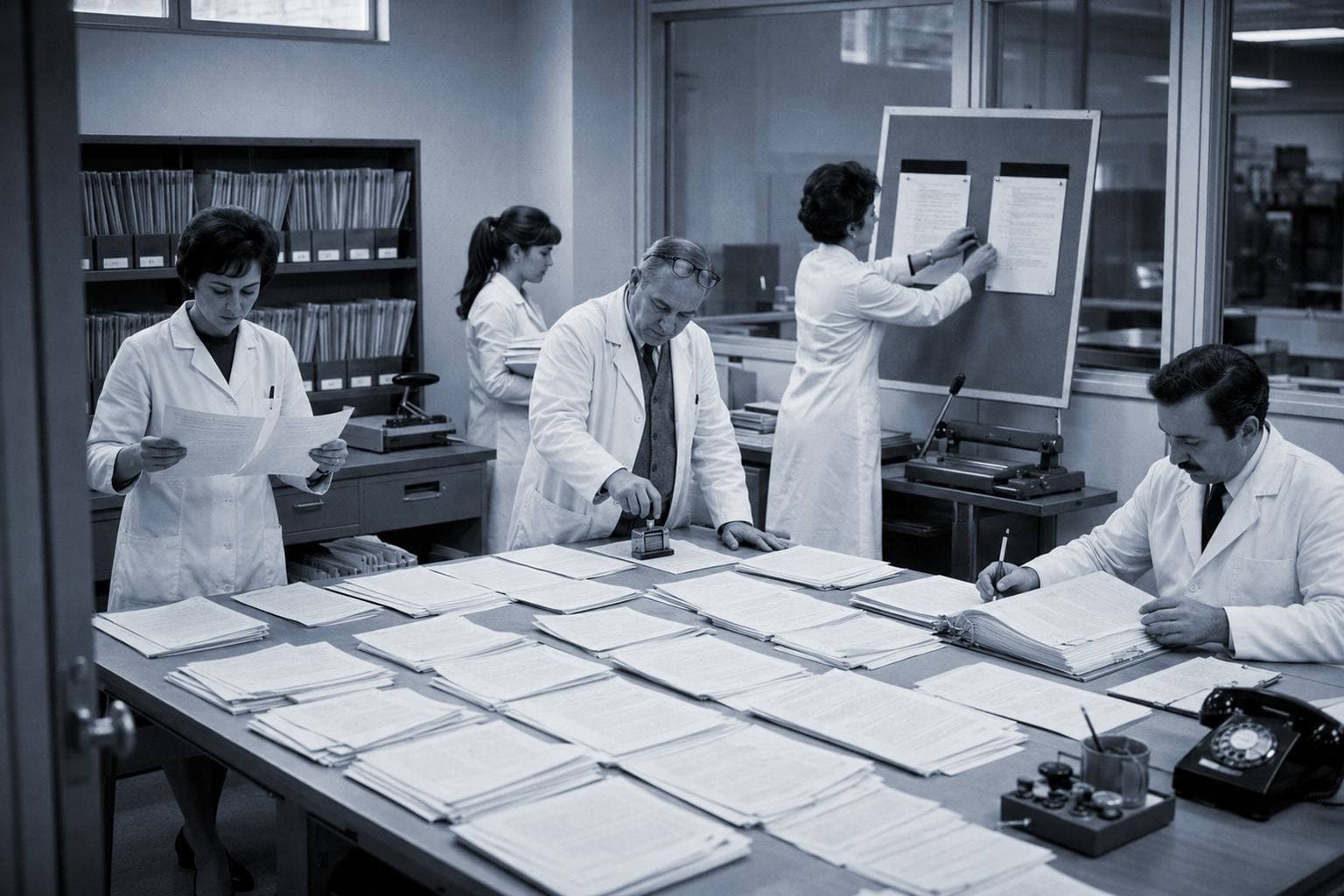
Image notice: The images on this page were generated using artificial intelligence. They do not depict real people, places, or events.
Life Science Journal
New requirements, authority decisions and practice notes. Once a month, unsubscribe any time.
Case Studies
Related insights
All insights →Mock Audits →
Trial inspection by experienced auditors before the real date
GMP Consulting (Good Manufacturing Practice) →
A GMP system under the EU GMP Guide and 21 CFR Part 211 as the foundation
CAPA Management →
Close open CAPAs and resolve findings on time
GxP Audits (GMP, GLP, GCP) →
Regulatory GxP audits beyond the regulatory inspection
Briefly outline your situation. We'll respond with an initial assessment, usually within one business day.
Prefer direct? +49 89 4161170-0
info@theentourage.de